Wildways are for Wildlife
Native animals of North America deserve a place in our continental community, whether in remote areas or coexisting and thriving on lands that are tended for both humans and wildlife. This core belief informs our mission, our partnerships, and our projects.
 Pathways for Wildlife
 Our Approach



Meet the Wild Pathfinders
We have identified animals whose presence and well-being tell us something about the health of their habitats and the level of connectivity between the different areas they use. We call these animals our Wild Pathfinders. Explore our efforts to help these important species move and thrive.
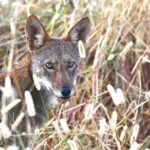
Red Wolves
Securing federal funding for underpasses on U.S. Highway 64 in NC.
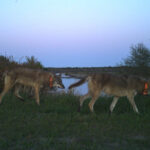
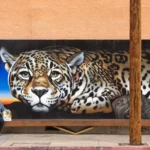
Jaguar
Reconnecting their former habitat corridors, from Sonora to Arizona.
Mountain Lion
Restoring their habitat through crossings and connectivity.
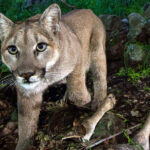
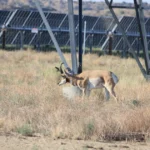
Pronghorn
GPS-collaring herds to research & protect movement routes.
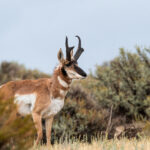
Thick-Billed Parrot
Partnering with local communities to protect ancient nesting forests.

Timber Rattlesnake
Mapping priority road crossings to reconnect Eastern habitats.

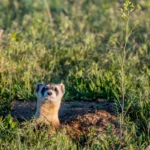
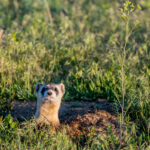
Black-Footed Ferrets
Using technology to identify habitat for reintroduction across the West.
Pacific Marten
Camera-trapping to safeguard connected habitats.

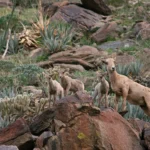
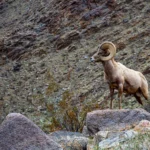
Desert Bighorn Sheep
Designing wildlife crossings to reconnect endangered bighorn sheep populations.
Wolverine
Rewilding wolverines in Colorado.

Elk
GPS-collaring elk to guide wildlife crossing placement in the Southern Appalachians.

Eastern Sierra Mule Deer
Building wildlife crossings so mule deer can safely travel across I395.

Photos By (left to right) — n/a; n/a; n/a; n/a; n/a; n/a; n/a; n/a; Jeff Young; n/a; n/a; Pathways for Wildlife
Project Spotlight
Learn more about our work to restore and protect species across North America.
Our Goals
Inform Recovery Planning: Through targeted research, analysis, and dissemination of actionable information, inform recovery planning to support resilient, connected populations of terrestrial species across their range.
Partnerships for Wildlife: Work as an active partner of local and Indigenous communities, in coordination with state, federal, and Tribal wildlife agencies, providing expert assistance and advocacy to recover and restore terrestrial wildlife across connected habitats.

Our Progress
To a Wild Future
Wildlife corridors can be reconnected. Wild Pathfinder ranges can be restored. With your support, we can restore wildlife.
Donate Today