The Case for Connection
Habitat fragmentation threatens to sever vital links between animals and the ecosystems they depend on. Wildways were a founding part of the vision of Wildlands Network: a framework based on island-biogeography for reconnected wildlife corridors that can help restore the network of wild places North America needs for all life to roam and thrive.
What Are Wildways?
Wildlife don’t recognize property lines or state borders. Their movement is guided by food, seasons, and survival. Wildways are networks of land that make that movement possible: core wild areas, surrounded by mixed-use buffers, linked by pathways that animals can safely travel. Connect enough of these, and you have continental-scale corridors that give wildlife room to roam.
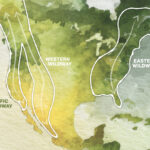


Explore the Wildways
Our Approach
By working with governments and communities to restore and protect these pathways, we can rewild entire ecosystems, promote biodiversity and build climate resilience for future generations of wildlife and people.


Our Goals
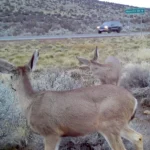
Build More Wildlife Crossings: Roads kill over a billion animals across North America every year. We’re working to secure $1 billion in government funding for wildlife crossings that let animals move safely across the continent’s transportation network.
Planning for Connection: A football field of habitat is lost to development every 30 seconds in America. We’re partnering with communities to make wildlife corridors part of the conversation in land-use development planning, so designs are drawn up with habitats in mind.
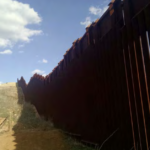
Life Across Boundaries: There is enough fencing on America’s public lands to circle the earth 25 times. We’re working to assess and modify over 1,000 miles of it so that wild animals can move freely again. At the U.S.-Mexico border, we’re documenting the wall’s impact and identifying where new wildlife passages are needed most.
 Pathways for Wildlife
 Project Spotlights
See how connected and rewilded corridors restore movement, strengthen ecosystems, and support wildlife survival at scale.
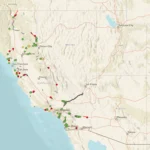
California's Room to Roam Act
California's landmark legislation now requires cities and counties to protect wildlife corridors in their long-term land-use plans.
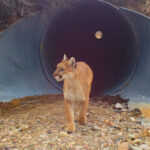
Planning for Wildlife in Utah
New legislation and a practical planning toolkit are helping Utah communities build wildlife movement into how land gets developed.
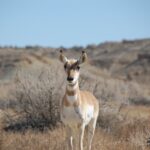
Sonora's Real Right of Conservation
Groundbreaking law reforms in Sonora, Mexico are giving landowners new incentives to voluntarily protect the private lands that wildlife depend on.
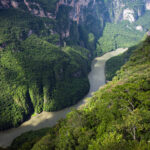
Photos By (left to right) — Pathways for Wildlife; n/a; n/a
Tracking Progress
Read the latest developments in connectivity across the Wildways.
 Lori A. Cash

 California Department of Transportation