
Together for the Wild
A Message from Executive Director, Katie Davis, JD
Dear Friend of the Wild,
As Wildlands Network celebrates 35 years, I feel immense pride in the movement we helped build to reconnect, restore, and rewild North America, and deep gratitude for everyone carrying it forward. Together, we are showing what is possible when hope is matched by action. Our progress is possible because of donors like you, committed partners, and an extraordinary team working from the field to the halls of government.
The past year tested our resolve. Public lands across the U.S. came under mounting pressure, long-standing environmental protections were rolled back, and border wall construction continued to carve through vital habitat. Yet even amid these setbacks, we saw real progress toward a new foundation for wildlife-driven conservation across North America.
Seven states passed laws to fund wildlife crossings and connectivity conservation, investing nearly $50 million USD. Red wolf pups were born in the wild. And in Mexico, 56,749 acres of land were placed under voluntary conservation. These wins remind us that even in a difficult year, the momentum for connected landscapes continues to build.
In 2027, we will keep building on what we know works to rewild lands and lives across North America. We’ll unlock larger, more lasting investments for wildlife crossings. We’ll help more communities adopt plans that protect critical habitat. We’ll advance pro-wildlands policy across borders and boundaries. We’ll partner with landowners to help them realize their conservation goals. And we’ll turn new field research into action, sharing scientific evidence that drives real change.
As you read the stories of rewilding that you helped make possible in 2026, I hope you feel what I do: optimism grounded in impact. With your support, we are protecting the pathways wildlife need and bringing a wilder future within reach.
With gratitude,
Katie Davis, J.D.
Executive Director
Wildlands Network
Table of Contents
1. Our Vision: Rewilding North America
2. Impact Across Boundaries
3. Tracking Wildlife Across a Divide
4. A Common Ground for Jaguars
5. Research & Future Road Crossings
6. Building with Wildlife in Mind
7. Trails, Roads, & the Wildlife in Between
8. Securing Funds for Wildlife
9. Natural Protected Areas in Mexico
10. From the Field to the Headlines
11. Financials
12. Looking Ahead: Our Next 35 Years
 Pathways for Wildlife / Wildlands Network
 Traci L. Sepkovic
Impact Across Boundaries
In 2026, your support turned conservation vision into
connected wildlands, safer roadways, & lasting policy change.
From camera traps in the field to coalitions in the capital, Wildlands Network works wherever wildlife need room to roam. This year, we gave 60+ talks and presentations, got covered by 150+ news stories, and continued to grow a movement to realize the vision of a connected, wild, & resilient North America.
Thanks to supporters like you, Wildlands Network and our partners unlocked nearly $50 million in public funding this year to protect habitat, build wildlife crossings, and connect wild lands. That investment turns plans into progress and puts wildlife on the path to thrive for generations. This included wins across the Wildways, from Utah out West, to Virginia and North Carolina in the East.
Our Mexico team and partners helped secure $27 million to strengthen Natural Protected Areas in Mexico for the 2026 national budget, helping safeguard habitat for biodiversity and the many species that depend on it for survival.
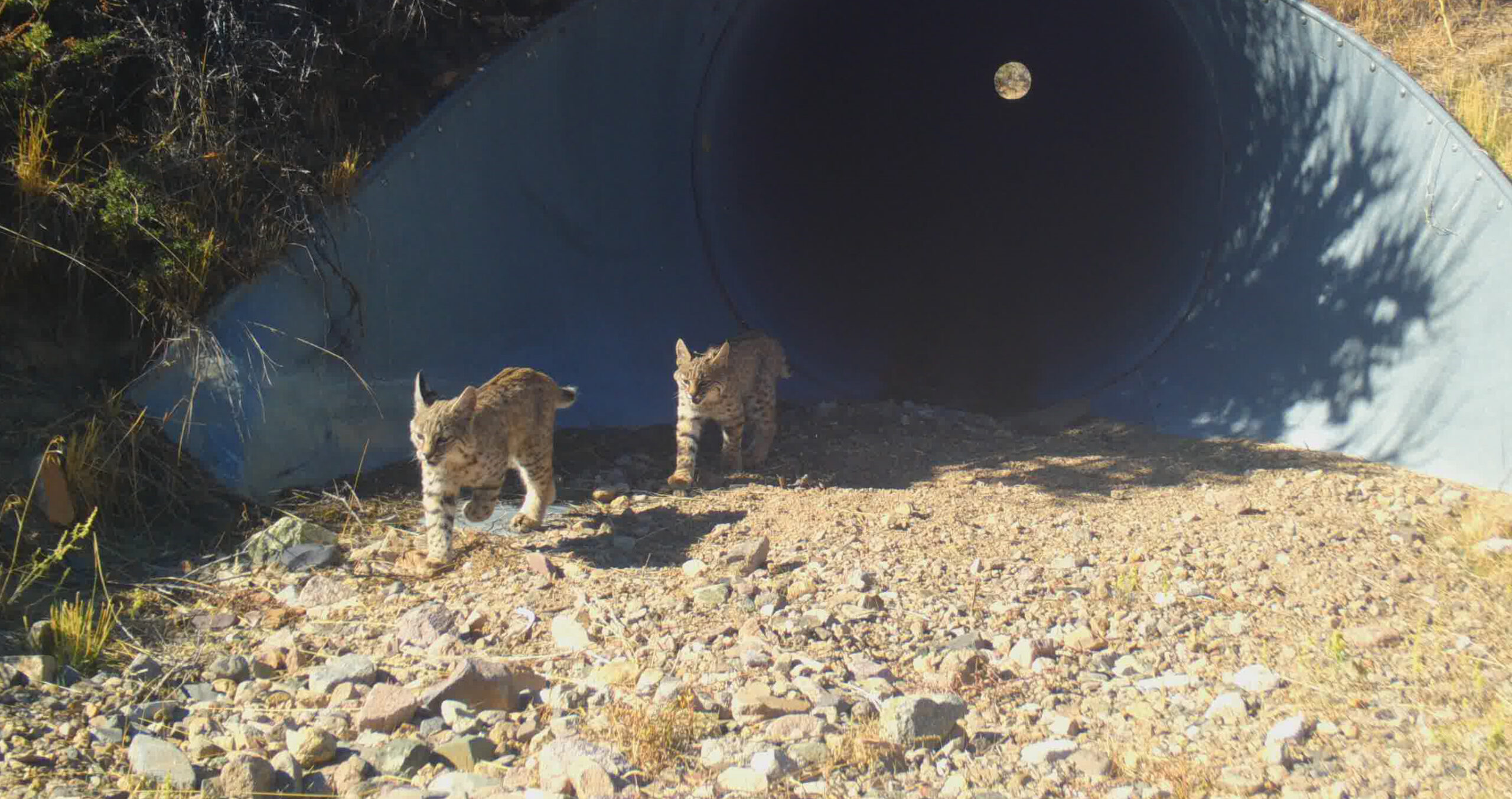
This year, we supported eight wildlife crossing projects to help mule deer, red wolves, and other wildlife travel safely. With local partners, we’re turning data and design into real solutions for wildlife on the move.
Strong policy helps protect and restore connectivity. This year, seven state policies passed across the Wildways, funding connectivity & putting wildlife movement at the center of decisions about roads, development, and land use.
Landowners in Mexico chose to protect 56,749 acres of private land through voluntary conservation: an area larger than Mesa Verde National Park in Colorado. Each protected acre of habitat for wildlife is a stepping stone in a larger, connected Wildway.
Wildlife don’t recognize borders, and neither does our work. In 2026, we worked alongside 22 partners and coalitions, sharing expertise, aligning priorities, and amplifying our voice. That’s how big, bold ideas become lasting change.
Our team deployed 454 camera traps in the field, capturing and reviewing more than 2.2 million images, each one a window into how wildlife are moving across the land. These photos show where animals travel, where roads and barriers get in their way, and where a crossing could make the difference.

A Common Ground for Jaguars
New Cub Brings Hope for Them to Return Home
In Sonora, Mexico, communities have a new
habitat conservation tool, and are watching wildlife come home.
Last fall, our camera traps documented something truly remarkable: a mated jaguar pair and cub in a region that had not seen a jaguar in over forty years.
Their presence indicates healthy herbivore populations, and a potential preference for low-density areas with year-round water as prolonged droughts become more common.
Sonora is a critical link in jaguar habitat, stretching from Arizona to Argentina. Coexistence there requires collaboration with community members — including the landowners where the cub was found — to monitor wildlife presence and incentivize habitat protections.
In Mexico, 95% of the land is communally owned. Between 2022 and 2024, the state of Sonora updated its environmental law to establish the Real Right of Conservation (Derecho Real de Conservación), which created a framework for landowners to conserve land via property tax reductions, stewardship funding, and green certifications.
“The presence of the jaguar, like that of other large carnivores, is always an indicator of a healthy ecosystem, but it also poses a significant challenge for its conservation.”
Carlos Castillo
Northwest Mexico Program Director
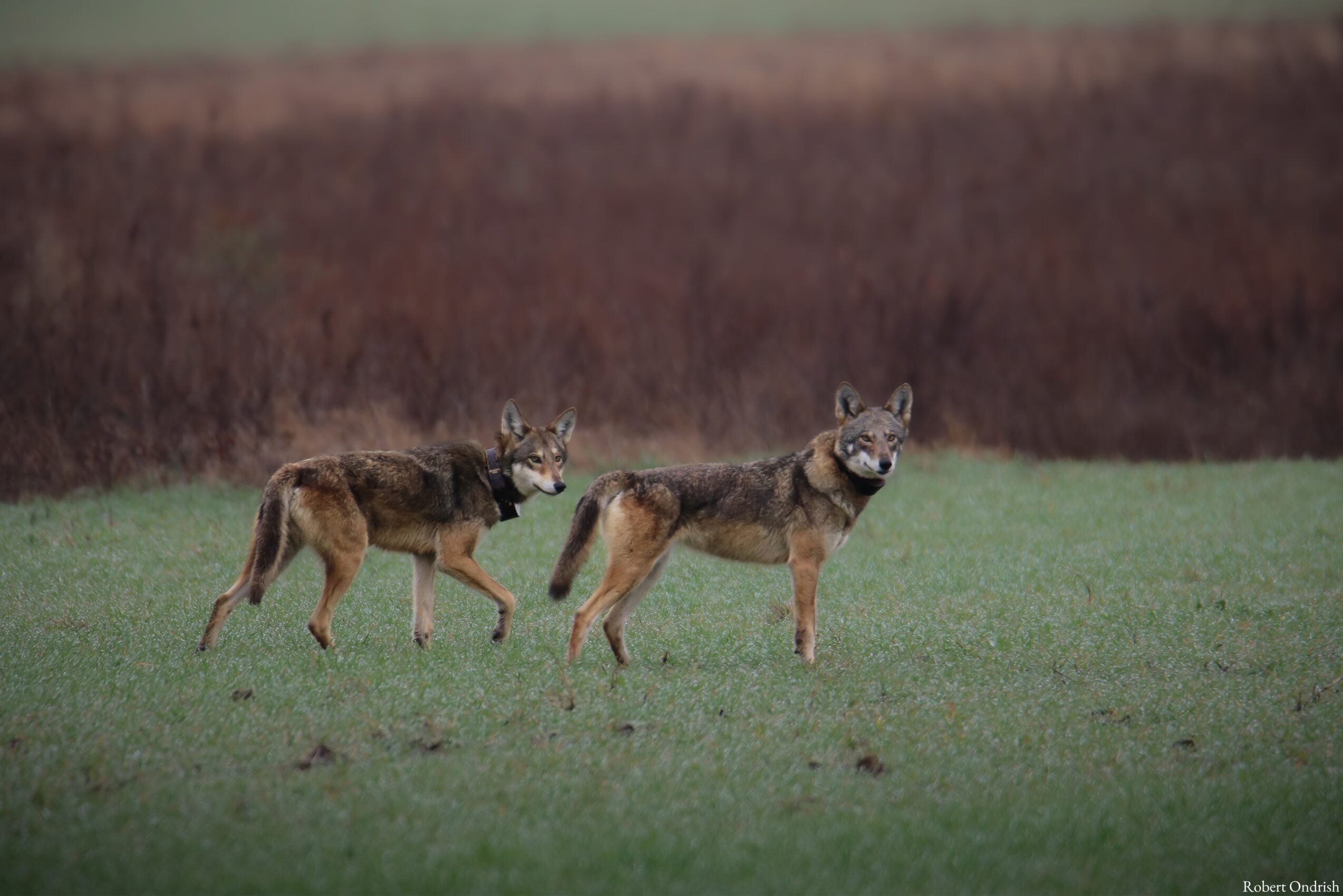 Robert Ondrish
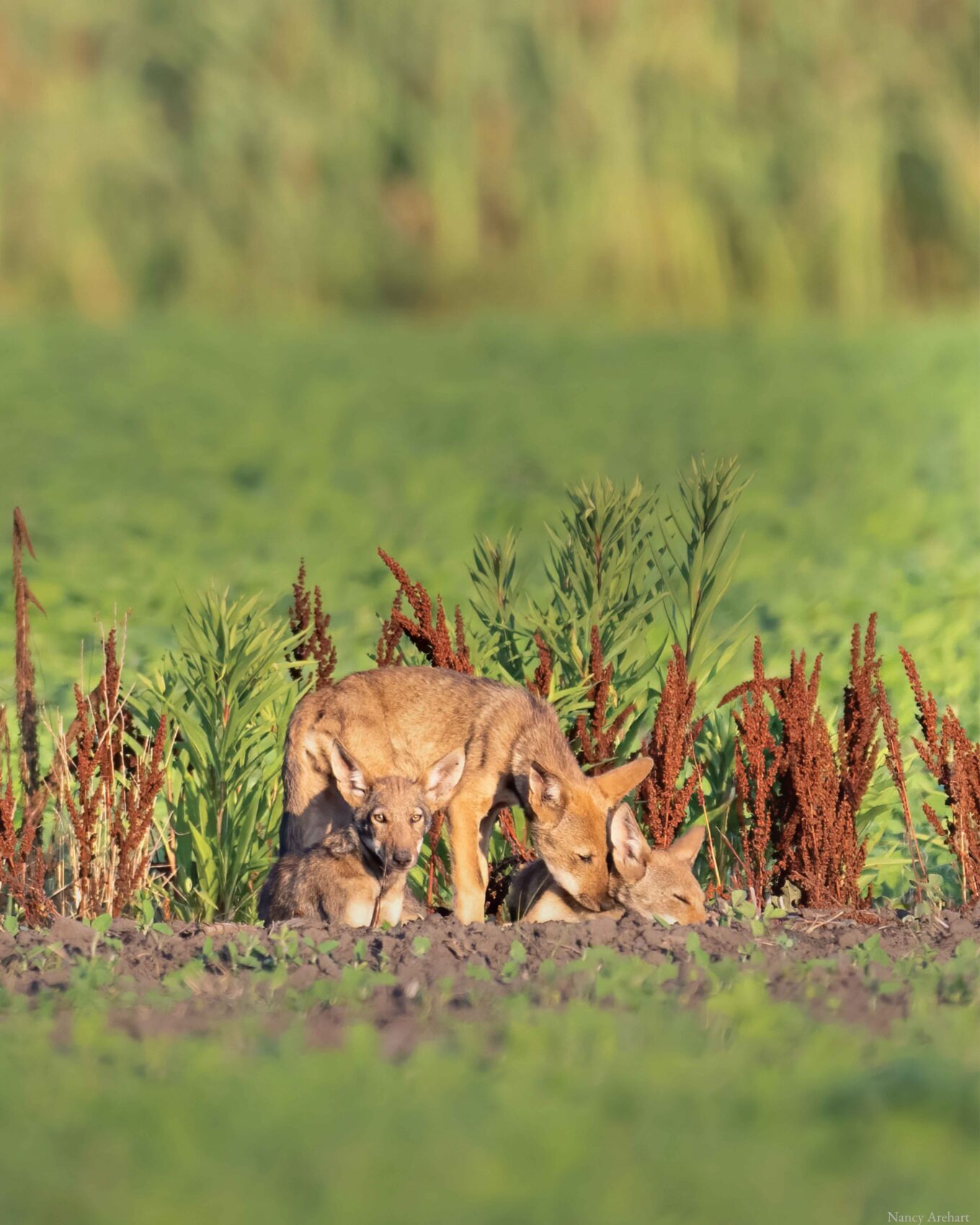 Nancy Arehart
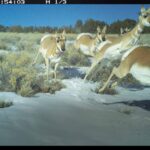
After fencing is modified, wildlife can easily and safely cross under, or over.
Building with Wildlife in Mind
Solar, Fencing, & Development Practices in the Growing Western Wildway
The Western Wildway runs through the American Southwest, where we’re conducting research and advocating for policies that promote connectivity and reduce habitat fragmentation.
For the past three years, our team has been studying interactions between utility-scale solar energy (USSE) and pronghorn and other species in New Mexico and Arizona.
While the research remains ongoing, we have already submitted some of our data for publication and have started to put some of those results into practice. In Utah, we advocated for the passage of HB 412, which will require solar and wind developers to consult the Division of Wildlife Resources during the permitting process, a critical step for reducing project impacts on wildlife.
We’re also surveying rangeland fencing in critical migration corridors so that we can reduce its effect on wildlife movement. In Utah, we have already modified 19 miles of fence and plan to modify an additional 7 miles next year.
In New Mexico, we surveyed 27 miles of fence that was previously identified as a significant barrier to migrating pronghorn and elk; we’ll begin modifications to those sections next year. In Colorado, we initiated a project in the San Luis Valley, surveying 500 miles of fence. Next summer, we’ll modify or remove 15 miles of fence identified during surveying.
While most of our work has focused on the wide-open spaces we typically think of as wildlife habitat, in fast-growing Utah, we released a Planning for Habitat Connectivity toolkit to assist local planners in maintaining wildlife habitat in the wildland-urban interface.
 Wildlands Network
Giving safe passage to wildlife on the move
500
Miles of fence
total surveyed for impact on wildlife
19
Miles of fence
modified & removed in the Paunsaugunt migration corridor
 Wildlands Network
Bolstering Advisory Councils & Supporting
Natural Protected Areas in Mexico
“The council in Sierra de Álamos elected its first ever chairwoman and is updating its internal guidelines to ensure inclusion per the action plan’s recommendations.”
In Mexico, Wildlands Network is part of NOSSA, Northwest Civil Society for Environmental Sustainability, a coalition working to improve effective conservation of Mexico’s natural protected areas (NPAs).
At the local level, community advisory councils foster participation in the management of NPAs. This past year, Wildlands Network collaborated with our partners to assess the state of the councils for two NPAs: Sierra de Álamos Río Cuchujaqui and Bavispe, both located in the state of Sonora.
We created action plans for each council to strengthen internal governance and improve transparency and inclusiveness. That revitalized community engagement, repositioning the councils as platforms to connect local knowledge, protected area management, and climate and ecosystem resilience.
Following the action plan, council members in Bavispe developed a strategy to ensure community participation in the process of updating and publishing the Management Plan for the NPA. The council in Sierra de Álamos elected its first ever chairwoman and is updating its internal guidelines to ensure inclusion per the action plan’s recommendations.
Part of an advisory council’s work is building connections with communities living in and around NPAs, strengthening ties with the people whose lives and livelihoods depend on them.

Protecting Nature Through Coalitions & Communities
72
Local, national, & international media outlets covered the team’s 2025 media campaign to raise awareness about the federal budget for NPAs
27
Million USD
secured for Mexico’s Natural Protected Areas in the 2026 federal budget, a 50% increase from 2025
From the Field to the Headlines
This year Wildlands Network elevated our work in major media outlets to reach new audiences with compelling stories about wildlife movement and the urgent need to reconnect landscapes.
These features helped increase visibility of the challenges facing bighorn sheep, mountain lions, red wolves, and other species — building public understanding and support for the conservation solutions that can enable a more vibrant future for wildlife and communities.
We also launched a new website to share our work, and are highlighting more of our stories across social media. We invite you to visit the new site and explore our channels for more regular updates on wildlife and community happenings across the continent.

The mission to keep the borderlands wild
Jan. 8, 2026
This feature highlighted our work monitoring limited border wall openings in the section of wall cutting through the remote Madrean Sky Islands of Arizona and New Mexico, part of our efforts to document how the wall is impacting wildlife.

A jaguar cub is born in Sonora, and hopes soar for recovery
Jun. 1, 2026
Our field technician, Juan Haro, captured camera-trap images of a jaguar cub in rural Sonora, Mexico – the first spotted in the area in over 40 years. The discovery suggests jaguars are establishing resident populations beyond protected reserves.

Rare sheep face sharp new obstacle at U.S.-Mexico Border
Jun. 4, 2026
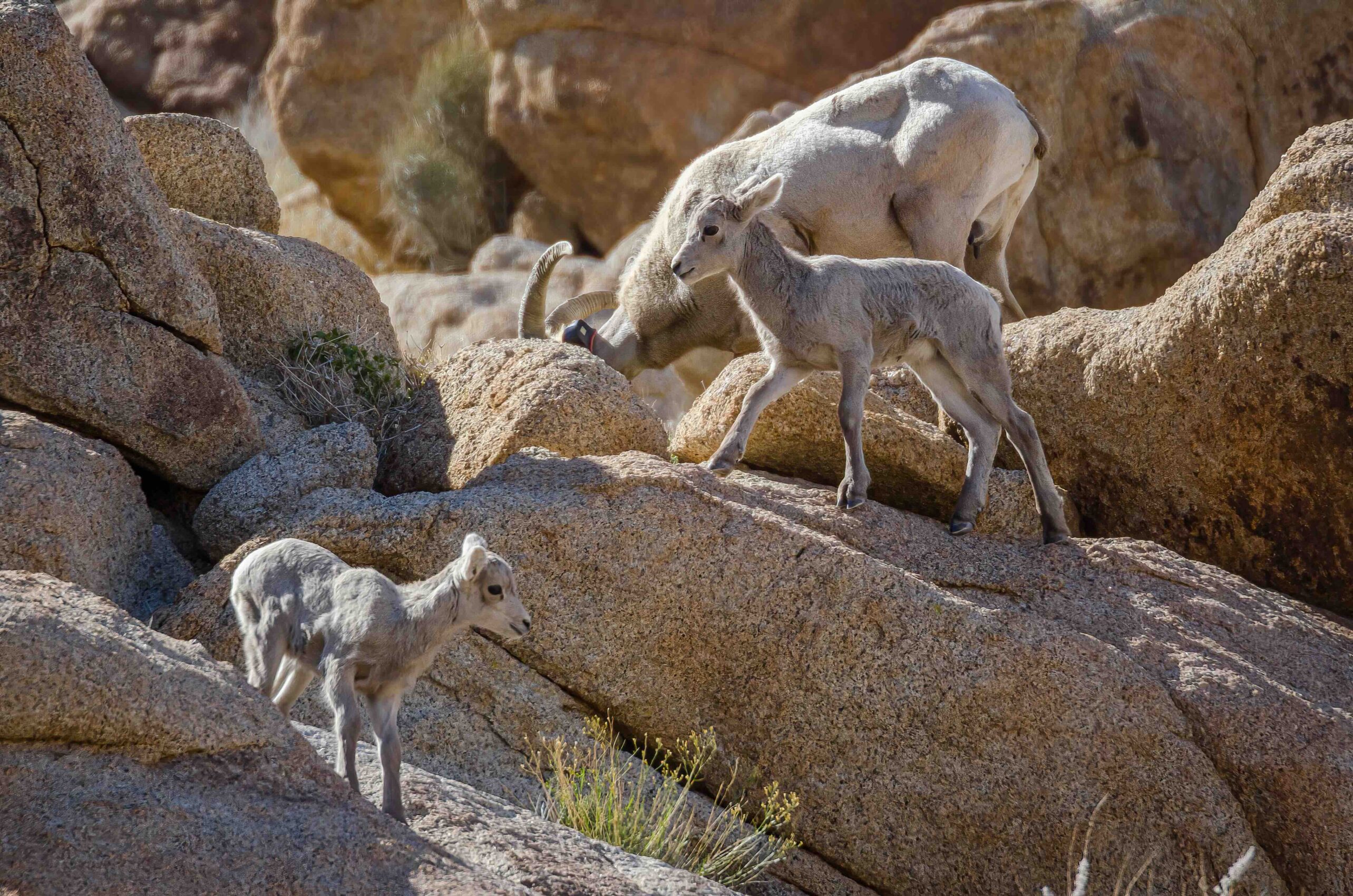
Christina Aiello, our California wildlife biologist, spoke about plans to construct the final 140 miles of border fence in southern California and the threat that poses for Peninsular bighorn sheep. We’re advocating for mitigation measures here to keep wildlife in mind.

Red wolves, once nearly wiped out, had a spring baby boom
July 18, 2026
This year saw the most red wolves born in the wild since 2013. Our Chief Scientist, Ron Sutherland, said it’s a promising sign of the population’s potential to grow over the next five years thanks to some protection from road mortality.

Talking habitat connectivity across Utah and beyond
Aug. 19, 2026
On the podcast “This Green Earth,” Utah Project Manager, Kasey Lindstrom, outlines the organization’s strategy for building habitat corridors that allow wildlife to move freely across the state and beyond.
Blowing up national park land for a new border wall
Dec. 27, 2026
Reporters followed our borderlands team to document dynamiting for border wall construction in Arizona’s remote Coronado National Memorial. The region constitutes an important corridor for jaguar and other wildlife.
$25 million project aims to save world’s rarest wolf from roads
May 27, 2026
Vehicle strikes are a leading cause of death for North Carolina’s wild red wolf population. Our Chief Scientist, Ron Sutherland, speaks about securing federal funding to build crossings and fencing along US 64, to keep wolves off the road.

Border wall barriers divide bighorn sheep from resources
May 27, 2026
Christina Aiello took reporters to the California borderlands to discuss WN’s calls for changes to the border wall that could give Peninsular bighorn sheep, and other species, a fighting chance
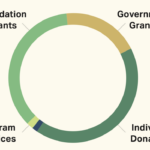
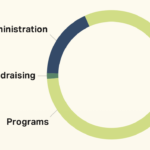
2025 Financials
In 2025, we balanced continued investment in our mission with sound financial management. Total revenue reached $4,066,055, drawn from a diversified base of individual donors, foundations, government partners, and other sources, building on a mixed funding stream and strengthening our long-term resilience.
Expenses grew to $3,861,046 as we invested strategically in the people, programs, and systems needed to scale our conservation impact. Despite this growth, we closed the year with a positive operating balance of $205K. We’re investing this right back into our programs, strengthening our ability to respond quickly to emerging opportunities and develop new partnerships aligned with our strategic plan.
What’s Possible
When We Move Together
In 2026, we came together and proved what’s possible: 7 policies shifted toward wildlife. 22 partnerships and coalitions aligned behind habitat connectivity. Wildlife moved safely over and under crossings. Major media coverage in Mexico informed the public, increasing awareness around protected areas, connectivity, and crossings funding.
But this is just the beginning. The work ahead is bigger. Wildlife corridors don’t follow borders, and neither does our vision. We’re scaling what works — the policy wins, the crossings that save lives, the partnerships that endure. That takes sustained investment and committed partners like you.
Whether you support our work through an annual gift, a monthly Sustain the Wild donation, through stock or your IRA, or have an estate gift set aside for Wildlands Network, you’re betting on a future where wildlife and people move and thrive together across connected landscapes.
Looking Ahead: Our Next 35 Years
For the past 35 years, Wildlands Network has inspired conservationists to dream of a reconnected, rewilded North America. Our priority initiatives over the next three years position us to realize that vision, and to continue leading this movement over the next 35 years.


 Caltrans
