A Proven Solution for Safer Roads

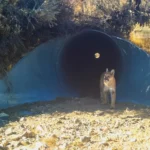
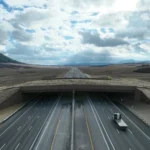
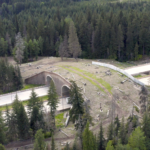
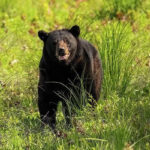
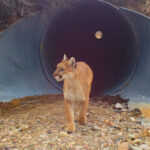
Every year, over a million animals are struck and killed on U.S. roads. Wildlife crossings with fencing can reduce those collisions by over 90%, giving black bears, deer, panthers, wolves, turtles, and frogs reliable access to food, water, and mates. From highway overpasses planted with native vegetation to culverts under a country road, they work for drivers too — Americans spend $10 billion annually on vehicle damage from animal strikes.
Pathways for Wildlife

Our Approach

Road Ecology

We conduct on-the-ground research to learn how wildlife interacts with roadways, where roads fragment critical habitat, and which locations are most critical for new crossings.

Policy & Advocacy

We push for transportation policy and funding that prioritizes wildlife crossings at the state and federal level, reducing collisions and keeping critical habitats connected.

Design Innovation

We advocate for a new generation of transportation design that prevents habitat fragmentation before it starts and scales wildlife-friendly infrastructure across the continent.

Our Goals

Wildlife crossings work. Now we need more of them, and we’re making it happen. Here’s what we’re working toward in the next five years:

25

new wildlife crossings across North America by 2030.

$1 Billion

 in public funding allocated to new wildlife crossings.

90%

reduction in wildlife-vehicle collisions at new crossings.

Why Crossings Matter

Roads without safe crossings kill animals and fragment habitat. Every highway and interchange cuts through ecosystems that wildlife depend on to find food, water, and mates, and over time, those landscapes become less genetically robust, less biodiverse, and less resilient. Crossings restore what roads sever: the freedom to move. When wildlife can move, populations stay connected, species recover, and ecosystems do what they’ve always done.

Pathways for Wildlife

Project Spotlight

Wildlife crossings are proven, practical, and already saving lives. Here’s where we’re advocating for them.
North Carolina

U.S. 64 in the Alligator River, NC

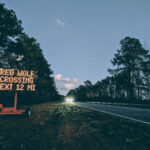
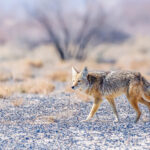
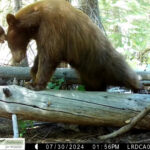
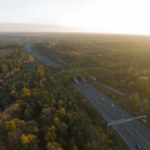
U.S. Highway 64 cuts through the heart of the Alligator River National Wildlife Refuge on North Carolina’s coastal plain, creating a deadly barrier for one of the world’s most endangered species — the red wolf — as well as black bears, bobcats, turtles, snakes, and hundreds of other species. We have been monitoring wildlife mortality and movement here for years, conducting daily roadkill surveys and providing data to help transportation agencies design crossing structures that reduce roadkill and protect motorists.

Explore the US 64 Project

Mexico

I-10 and Highway 2 in the Sky Islands

The binational Sky Islands region is a global biodiversity hotspot home to jaguars, black bears, bighorn sheep, and ocelots. Interstate 10 and Mexican Federal Highway 2 cut through essential wildlife movement corridors on both sides of the border. We are working with local transportation officials to reconnect habitat across the borderlands and support recovery of endangered species.

Southern California

I-8 in Imperial County, CA

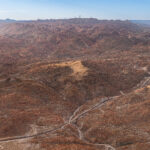
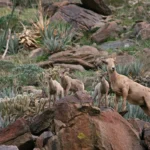
I-8 cuts through critical lambing and rearing habitat for Peninsular bighorn sheep in Imperial County on Southern California’s desert landscape, creating a deadly barrier for one of the world’s most endangered species — the Peninsular bighorn sheep. We are monitoring wildlife mortality and movement, supporting road ecology studies and providing data to help transportation agencies design crossing structures to provide safe passage for wildlife and drivers.

Explore the I-8 Project

Northern California

U.S. Route 395 near the Nevada & California State Line

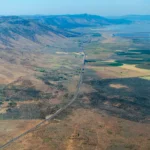
Running parallel to the Sierra Nevada, U.S. Route 395 threatens regional populations of mountain lions, deer, and other wildlife. We are working across multiple sections of this highway to identify mortality hotspots and coordinate the construction of wildlife overpasses and other features that improve public safety and ecosystem health.

Explore the Route 395 Project

Cassia Rivera

EcoFlight

Pathways for Wildlife

Together, We Can Save Lives

Help us build wildlife crossing structures in critical hotspots across the North America.

Sign the Pledge