California presents a unique opportunity to create a continuous corridor for wildlife.
With the nation’s largest population and some of the greatest diversity of species on Earth, keeping animals like pumas, tortoises, and deer on the move will demand innovation and collaboration. California’s proud legacy of bold action, paired with its commitment to protect 30% of lands by 2030, offers an opportunity to make that vision real. It’s clear that we need to go beyond just protecting California’s lands. We need to connect them.
Our vision of a reconnected landscape extends far beyond the state. California is a vital link in the Pacific Wildway, a habitat corridor that could sustain iconic species for millennia. By protecting key lands in California, we can ensure that wildlife continue to move freely and safely not just within California, but across the continent
Our Approach



Our Impact
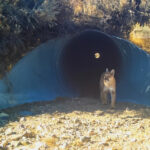
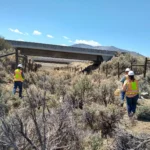
We are advancing wildlife crossings and landscape connectivity to allow wildlife to roam and thrive across the state. These are some of our recent impacts.
Our Work in Action
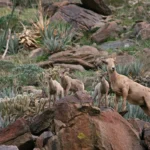 Jeff Young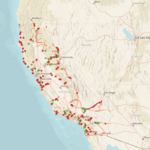
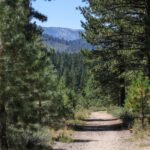

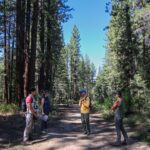
We’re a small team with a grand vision: to establish a wildway where life, in all of its diversity, can thrive.
With your support, we can galvanize and sustain the initiatives needed to reconnect California’s habitats and help wildlife recover.


From the Blog
 Forktailed Media
  Wildlands Network
  Andrew Johnson
  Ron Sutherland
  Mark Dumont
Mark Dumont
Mark Dumont 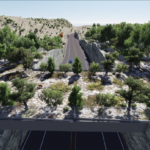 Pedro Capdevielle
 Donate today to make roads safer for wildlife and drivers.
Together, we can build a world where humans and animals peacefully coexist.
Donate