New law aims to reduce wildlife-vehicle collisions by putting wildlife crossings and connectivity infrastructure into long-term highway planning and funding decisions
SACRAMENTO, Calif. — Governor Gavin Newsom signed Senate Bill 1250 (Cortese) into law this week, marking a major step forward for wildlife connectivity, public safety, and fiscally responsible transportation planning in California.
The legislation strengthens California’s commitment to reducing wildlife-vehicle collisions and reconnecting fragmented habitat by ensuring that wildlife connectivity improvements are more integrated into how the state plans, prioritizes, and invests in transportation infrastructure.
“Designing roads without wildlife crossings is like designing bridges without load limits or drainage without flood modeling.” said Mari Galloway, Wildlands Network California Program Director. “SB 1250 recognizes that crossings are an essential part of transportation planning, not an afterthought.”
Across California, roads and highways fragment habitat, isolate wildlife populations, and contribute to thousands of wildlife-vehicle collisions each year. These barriers limit wildlife access to food, water, seasonal migration routes, and genetically diverse mates while reducing species’ ability to adapt to drought, wildfire, and flood. For people, wildlife-vehicle collisions can result in serious injuries and fatalities, vehicle damage, traffic delays, and significant public costs. By reducing these avoidable costs, wildlife crossings can provide significant returns on investment while improving safety for both people and wildlife.
What SB 1250 Does
In simple terms, SB 1250 helps ensure that California considers wildlife connectivity when evaluating and planning transportation infrastructure investments.
State highway projects are typically planned years before construction begins and must move through a series of state and federal planning, funding, and approval processes. Projects that are not identified in these long-range planning frameworks often struggle to compete for future funding. SB 1250 helps ensure that wildlife crossings, fencing, signage, and other road ecology measures are considered early in the process, when transportation priorities are being identified, and investment decisions are being made.
The law requires Caltrans to:
- Incorporate wildlife connectivity infrastructure into key long-range planning processes, including the Transportation Asset Management Plan and State Highway System Management Plan;
- Better assess and track wildlife connectivity needs, as well as the condition and performance of wildlife crossings, fencing, jump-outs, and other wildlife passage infrastructure across the state.
- Improve the use of wildlife science and data to identify connectivity barriers, reduce wildlife-vehicle collisions, and advance effective wildlife crossing solutions through enhanced coordination with the California Department of Fish & Wildlife;
- Ensure wildlife connectivity needs are consistently reflected across California’s transportation planning and investment framework rather than being addressed through standalone planning efforts.
The need for these changes is significant. Caltrans has already identified 93 priority wildlife connectivity barriers that currently require funding and remediation. By ensuring those identified needs are consistently incorporated into the state’s transportation planning and investment processes, SB 1250 helps create a clearer path for wildlife crossing projects and other connectivity improvements to move from identified priorities to funded projects and, ultimately, on-the-ground implementation.
Building on California’s Leadership
SB 1250 builds on California’s growing commitment to wildlife connectivity, including the landmark Safe Roads and Wildlife Protection Act (AB 2344), co-sponsored by Wildlands Network, which established California’s Transportation Wildlife Connectivity Remediation Program and the state’s first comprehensive framework for addressing barriers to terrestrial wildlife movement.
By ensuring wildlife connectivity is consistently integrated throughout California’s transportation planning and investment processes, SB 1250 helps turn identified needs into future projects. As the state continues to modernize its transportation infrastructure, the bill will help advance a safer, more resilient transportation system that reduces wildlife-vehicle collisions, protects taxpayer investments, and maintains the habitat connections wildlife need to survive, adapt, and thrive.
Looking Ahead
Wildlands Network applauds Senator Dave Cortese, bill co-authors, legislative champions, agency partners, and the many organizations and advocates who worked to advance this legislation.
With SB 1250 now signed into law, California is taking another important step toward a transportation system that is safer, more resilient, and better connected for both people and wildlife.
“Too many Californians have paid the price when wildlife and vehicles collide, Lives lost, families devastated, and animals killed. We have the knowledge and technology to prevent these tragedies, and we cannot afford to keep treating them as inevitable. SB 1250 puts prevention first. It means building safer roads, protecting wildlife corridors, and making sure California’s transportation system works for both people and the natural environment.” Senator Dave Cortese
With SB 1250 now signed into law, California is taking another important step toward a transportation system that is safer, more resilient, and better connected. By bringing wildlife connectivity into the state’s core transportation planning processes, the law helps ensure future investments support healthy ecosystems, reduce costly wildlife-vehicle collisions, and save lives on both sides of the windshield.

Wildlands Network
Related Posts
 Wildlands Network / National Parks Conservation Association
 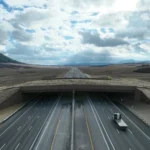 Courtesy CDOT
 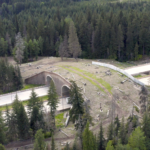 Courtesy of WSDOT