Our Approach

Through habitat protection and public policy, we are working to restore connectivity and secure a future for wildlife unique to Mexico – and vital to North America’s biodiversity.


Connecting Science to Policy

Our work is rooted in science, and we use foundational ecological concepts to encourage policies that prioritize connection across human-altered landscapes. Wildlife ignores jurisdictional boundaries, and our policies must reflect that.

Advancing Innovative Policy

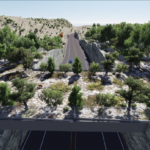
We draft and champion groundbreaking laws that reshape infrastructure and land-use planning — creating passage for wildlife, safer roads for people, and landscapes that remain connected for generations to come.

Catalyzing Collaboration

We actively build networks among our partners — local and state agencies, scientists, engineers, land trusts, community organizations, and more — to raise the funds needed to make changes happen.

Project Spotlight

By connecting national and private conserved lands to create wildlife corridors, we can ensure safe passage for diverse species through their natural habitats.

Private Conservation Areas

Implementing Private Land Conservation

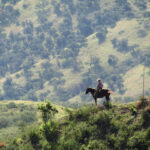
95% of Mexico’s land is privately or communally owned, making private land conservation essential to restoring habitats and connecting landscapes. That includes the vital jaguar corridor from Sonora, Mexico to Arizona.

We create mechanisms for private land protection through tax incentives and legal frameworks like Sonora’s Derecho Real de Conservación (The Real Right of Conservation) which, since 2024, provides economic incentives for landowners to voluntarily conserve their land similarly to land easements.

Read About The Real Right of Conservation

Rewilding Keystone Species

Rewilding the Jaguar and Its Native Ecosystems

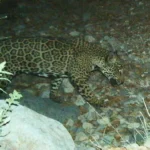
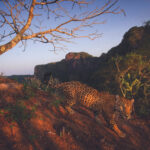
As a top predator, jaguars balance ecosystems — a service necessary to restore in their historic habitat that once extended as far north as Arizona. The key to jaguar recovery in the U.S. is reconnecting a corridor for their northernmost breeding population in the Sky Islands region shared by the southwest U.S. and northwest Mexico.

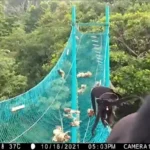
We are rewilding this ecosystem by monitoring jaguar populations with cutting-edge research, collaborating with local communities, and restoring connectivity with wildlife crossings and openings in the face of an increasingly impermeable border.

Do Not Press

Protecting Endangered Species

The Thick-Billed Parrot’s Last Refuge

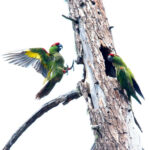
The endangered thick-billed parrot, once a common sight in Arizona’s skies, now inhabits a fraction of its former range in northwest Mexico’s ancient Sierra Madre Occidental forests.

Since 2000, we have supported thick-billed parrot conservation to protect these birds and their old-growth forests against their biggest threats: deforestation and increasingly intense wildfires. We work on the ground with the Mexican government, conservation organizations, and communities in Chihuahua to support a local transition from logging to firefighting.

Read About Thick-Billed Parrot Protection

Photo by: Manuel Escárcega / CONANP

Natural Protected Areas

Why Mexico’s Natural Protected Areas Are Critical

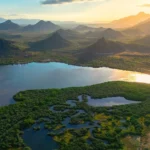
Natural Protected Areas (NPAs) are Mexico’s national parks, wilderness areas, nature reserves. They support the nation’s substantial biodiversity. However, a need for stronger governance, insufficient funding, and limited capacity to manage these habitats pose risks to conserving even the most protected areas.

We strengthen the management and funding of existing NPAs while promoting the creation of new ones by improving public policies, conducting research, and fostering collaboration among partners. These efforts aid Mexico’s commitment to preserving 30 percent of its land by 2030.

Photo by: Carlos Aguilera

Pedro Capdevielle

Help Us Rewild North America.

With your support, we can galvanize and sustain the initiatives needed to reconnect Mexico’s habitats and help wildlife recover.

Donate Now