The Last Stronghold
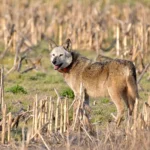
The Albemarle Peninsula of eastern North Carolina is home to a uniquely American species: the red wolf.
The only remaining individuals in the wild live here, and they may be the species’ last shot at survival. Scientists at Wildlands Network have been conducting research in the area since 2015, gathering data that show many negative perceptions of red wolves’ impact in the community to be untrue, and why having more red wolves is actually advantageous.
The Case for Red Wolves
Red wolves (Canis rufus) are native to the eastern United States, and once thrived from New York to Texas. They play a crucial part in ecosystem health, helping to regulate deer populations and keeping them from over-browsing vegetation and farmland.
Historically, red wolves also likely helped control raccoons and opossums, preventing these smaller predators from overpopulating to the point of endangering native songbirds. Coyotes — even those having some wolf genes — do not appear to be filling the red wolf’s ecological niche.
 Wildlands Network
 A Challenging History
Due to decades of persecution and habitat degradation, red wolves were declared extinct in the wild in 1980 — when the remaining wild wolves were brought into captivity.
Seven years later, the United States Fish and Wildlife Service (USFWS) reintroduced red wolves to eastern North Carolina’s Alligator River National Wildlife Refuge. This program served as the model for carnivore reintroduction efforts worldwide, including the well-known reintroduction of grey wolves into Yellowstone National Park.
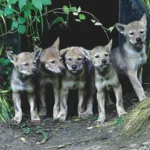
By 2006, the red wolf population had expanded to more than 130 individuals. This success was short-lived, however, and the population has once again dwindled due to a surge in the number of wolves killed by humans. If we lose North Carolina’s red wolf population, we might never see another attempt at recovery — nor another red wolf in the wild.
 Ron Sutherland
 Our Work
That’s where Wildlands Network comes in. Wildlands Network wants to see healthy red wolf populations restored to all their core habitat areas in the Southeast, connected by safe wildlife corridors. Our projects to recover the red wolf are focused on:
- Promoting tolerance for red wolves.
- Understanding the dynamics between red wolves and other populations of wildlife.
- Advocating for laws and policies that support the long-term vitality of red wolves.
- Researching viable habitat for red wolves long into the future.
Our Progress
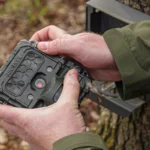
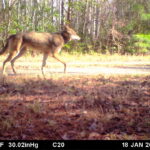
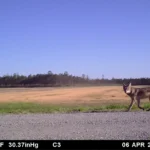
Our scientists recently completed an ambitious wildlife camera-trapping project in North Carolina’s Red Wolf Recovery Area. The results are disproving any notion that wolves have a negative impact on deer populations or other game animals in the region.
In 2020, we launched a project in the red wolf recovery area to determine if there is a relationship between the presence of the wolves and the local abundance of bobwhite quail. Quail are an economically and culturally important game bird species across the southeastern U.S. Populations in the region are declining due to habitat loss and the overabundance of mid-level predator mammals.
This work is made possible by generous grants from the WildLife Canada Society, the National Wildlife Refuge Association, the Volgenau Foundation, the Blumenthal Foundation, and other private donors.
Become an Advocate
Educate yourself on common misconceptions and facts about red wolves, efforts to recover the species, and help us spread the word about their importance.
Support Our Work
Help us secure the future of red wolves. Donate to be a part of the work to bring them back.
Donate